Starting with "Good Morning": How Randolph Elementary Used Closegap's Free Program to Reach Every Student
In January, school counselor Maddie rolled out Closegap's free mental health check-ins to her fourth and fifth graders at Randolph Elementary School in Wisconsin. By May, her students were telling her something that any counselor would want to hear: most of them wouldn't change a thing about how the adults in their building respond to them.
This is what she did.
A new student finds a way in
When Maddie thinks about why Closegap mattered this year, she goes back to one student.
He was new to the district. By the time he arrived, friendships had already formed and routines had already settled. At the start of the year, he was closed off. Quiet. Hard to reach in the way that new students often are when they don't yet know who is safe.
Then Closegap rolled out, and something started to shift.
Through the messaging feature inside Closegap, he began sharing small things every morning with his homeroom teacher. Sometimes it was a feeling. Sometimes it was just a hi or a good morning. His teacher responded every time.
"That definitely was more closed off at the beginning of the year," Maddie says, "but now that they're able to share something every morning, and they see that we respond to it, I think that's really helped. More positivity to start off, because sometimes they're coming in with not such a great morning before at home."
That is what a check-in tool can do when it is implemented intentionally. In Randolph, Closegap is a daily invitation to built trust with an adult who is paying attention.
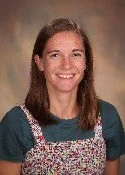
“Closegap gives you an opportunity to somehow check in or get to know every student a little bit better. ”
The model: a counselor who pushes in, teachers who own the routine
Randolph Elementary is small. Maddie knows every staff member by name, and her office is right across the hall from the classrooms she serves. That proximity matters, but it isn't what made the rollout work. The model did.
Maddie started by partnering with her fourth grade team. It was a strategic pick. She knew she would have those students for one more year before they moved on to middle school, which meant the relationships she built through Closegap would carry forward.
"Kudos to those teachers for making it a part of their daily routine," she says. They added it as a common bellringer without hesitation. "Oh, no problem, that can be part of their morning work, and it should be just fine. They were so awesome with it."
Maddie introduced Closegap to students herself, pushing into each classroom with the slide deck Closegap provides for first-time rollouts. Then she stepped back and let the teachers carry their instructional routine.
The handoff between her and the teachers is seamless. If a student needs more support than a classroom check-in can offer, the teacher assigns the student to Maddie inside Closegap, or just calls or emails her across the hall. The teachers are doing the proactive work in the classroom of helping to identify students who need support. Maddie as the counselor is the second layer when it is needed.
This is the implementation pattern Closegap sees drive the most impact in elementary schools: counselor introduces, teachers own the daily routine, and the platform creates a clear, low-friction handoff between them.
What the students said
When Maddie surveyed her fourth and fifth graders at the end of the year, the results stood out, especially for a free-tier rollout in a single semester.
What is something you would want to change about how adults respond to your check-in?
Seventy-three percent of students said they wouldn't change anything about how adults respond to their check-ins. The top benefit students reported was that Closegap helps them understand themselves better (38%), with another third (33%) saying it gives them a moment to pause and reflect on how they are doing.
Those are the numbers. But the part Maddie keeps returning to is what one student wrote in their own words: "i love coming in to school and going to [Closegap].”
How Maddie got started so quickly
Joining Closegap is easy, and free. Maddie was able to create her account online, roster students with a spreadsheet template, and begin checking in right away.
"Just try it out as a check-in system. It's just really nice to continue those relationships that you already have with certain kiddos. I understand if schools are a lot bigger, but then it gives you an opportunity to somehow check in or get to know every student a little bit better. I think that's super beneficial."
The result is a school where students are using a daily emotional check-in with high enthusiasm, where teachers have integrated the routine into existing morning work, and where a new student now starts every day with staff that he trusts.