Every Student Has a Way to Say It: How Woodland Academy Built a Culture of Communication with Closegap
When educators talk about which students benefit most from a daily emotional check-in, the conversation usually centers on the quiet kids. The ones who slip through the cracks. The ones who don't raise their hand or stop by the counselor's office.
That story is true. But at Woodland Academy, a preschool through eighth-grade school where Shannon Satira leads social-emotional learning, the team has discovered something more nuanced. Closegap is reaching even more students than they expected, in moments when it really matters.
The student who could type what he couldn't say
Shannon shares one example that has stayed with her:
The student in question was not, by any observable measure, the quiet type. He liked to be heard. He was comfortable in groups. And yet, when something was weighing on him, when he could feel a heaviness he could not yet explain, the words would not come out face to face.
So he typed them into Closegap.
For two or three days, he and his teacher had a quiet exchange inside Closegap. He shared what he was feeling. He admitted he wasn't sure why. By day three, his teacher gently asked if it would be okay for Shannon to join the conversation, and he said yes.
"It was so much easier for him to type it out than to speak to me directly," Shannon says.
She thinks about her other students as well as her own twenty-one-year-old son, who can text her every thought and feeling, but for whom a face-to-face conversation about the same things is much harder. There are children, she has come to believe, for whom typing isn't a workaround. It's the door, with human care right on the other side.
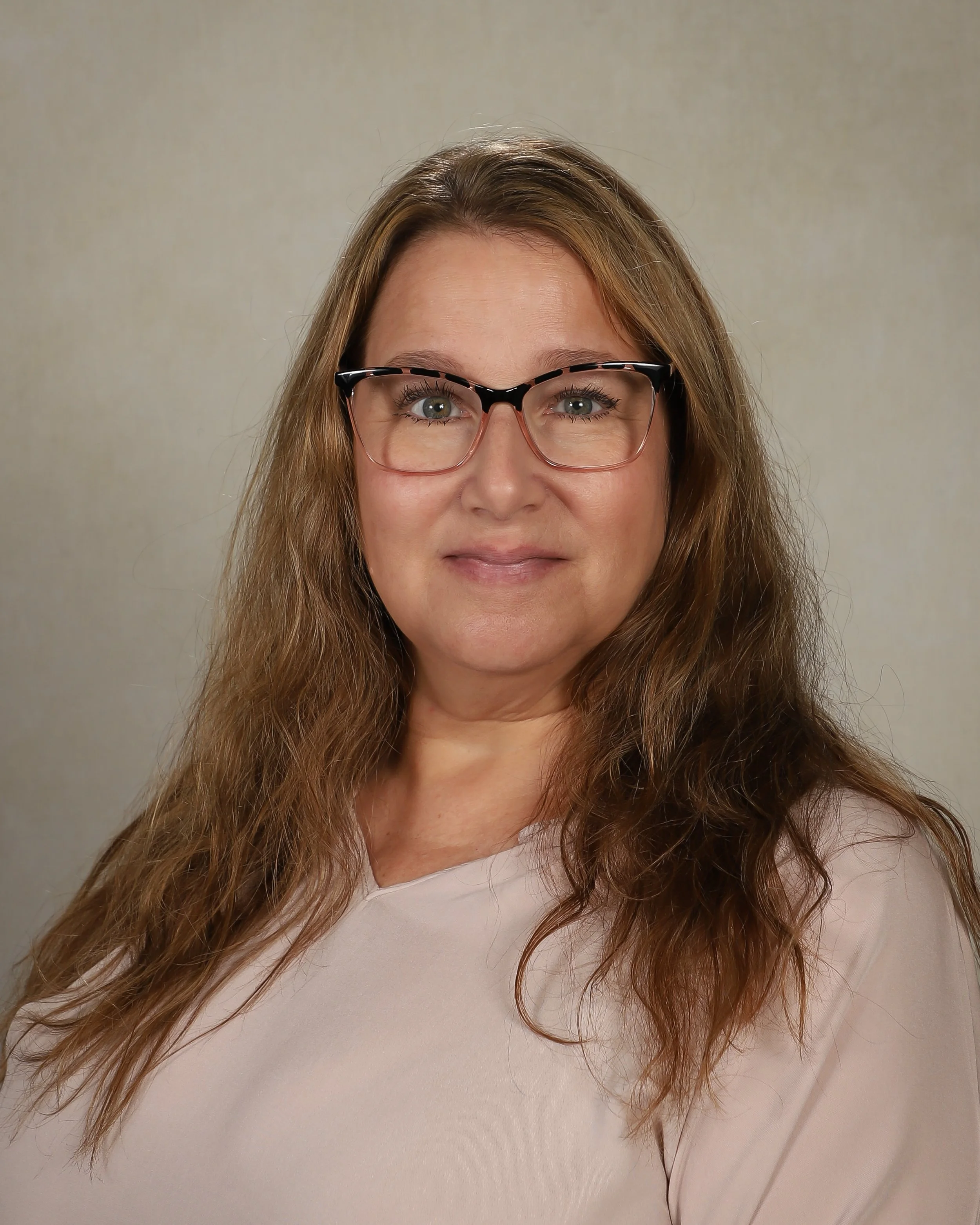
“Every so often, we get a message from a student that really proves to us: oh, thank goodness they have this.”
Daily use builds the muscle
What makes the difference at Woodland Academy isn't a single conversation. It's the routine.
Because students check in regularly, Closegap isn't a special tool reserved for crisis moments. It's part of the school day's rhythm. By the time a student needs to share something hard, the act of checking in on the platform, naming how they’re feeling, and asking for support is already familiar.
"They are so used to using it that they're comfortable asking for the help that they need," Shannon says, "or just sharing what they're thinking or feeling to get it out of their brain and somewhere else."
Help seeking is a learned skill. Students need to be taught how to appropriately ask for support. For Shannon and her team at Woodland Academy, the path to support is already paved.
Building emotional vocabulary across the school
Woodland Academy's approach to social-emotional learning isn't a single program. It's a shared language.
The school has used the Social Thinking curriculum for years, with consistent vocabulary running from preschool through eighth grade. This year, the team layered in modules from 7 Mindsets, adapted to fit alongside the language they already had. Teachers, classrooms, and students across every grade level use the same words to talk about feelings, friendships, and the work of being human together.
Closegap fits inside that ecosystem. And Shannon is starting to hear the results in how students talk.
She describes a recurring moment in her conversations with kids: they don't realize they're doing it, but they are reaching past "sad" and "mad" and "angry" for more specific words. They are starting to name not just what they feel, but what is making them feel that way.
That is the long game of SEL: not just naming emotions, but tracing them. Not just expressing feelings, but understanding them. Closegap gives students daily reps in that practice, in the privacy of their own check-in.
The fourth grade hotspot
Every school has its developmental flashpoints. At Woodland Academy, Shannon points to fourth grade girls navigating the early social dynamics of friendship, exclusion, and the small injustices of recess.
When students come to her with these moments, Shannon listens to all of it. Then she pivots: What are we communicating? How do we communicate it better next time? What can you do?
The daily check-in becomes a practice ground. Students try out feeling words. They learn that what looks like anger often has a more tender feeling underneath it, like jealousy. They build the communication skills that will follow them into every relationship they ever have.
Why Woodland Academy keeps coming back
When Shannon thinks about why her school continues with Closegap year after year, she doesn't talk about features or dashboards. She talks about kids.
She talks about the boy who could finally say what he was feeling, even if it had to be typed first. She talks about the everyday students who now have a place to put a thought before it grows into something heavier. She talks about the language she hears in hallways and small group sessions, the language of students who are starting to understand themselves.
"We definitely see the positive," Shannon says. "Every so often, we get a message from a student that really proves to us: oh, thank goodness they have this."
For Woodland Academy, Closegap isn't a screener. It isn't an alert system, a practice ground, a familiar touchpoint. It's a daily practice that quietly, consistently, gives every student a way to be heard.