Building a Culture of Care with Trusted Adults at School: a Case Study of Grant Ave Elementary in NYC
“Oh wait, someone is reading this!”
A girl had written something alarming in her Closegap check-in. The doctor, she said, was going to cut her finger off.
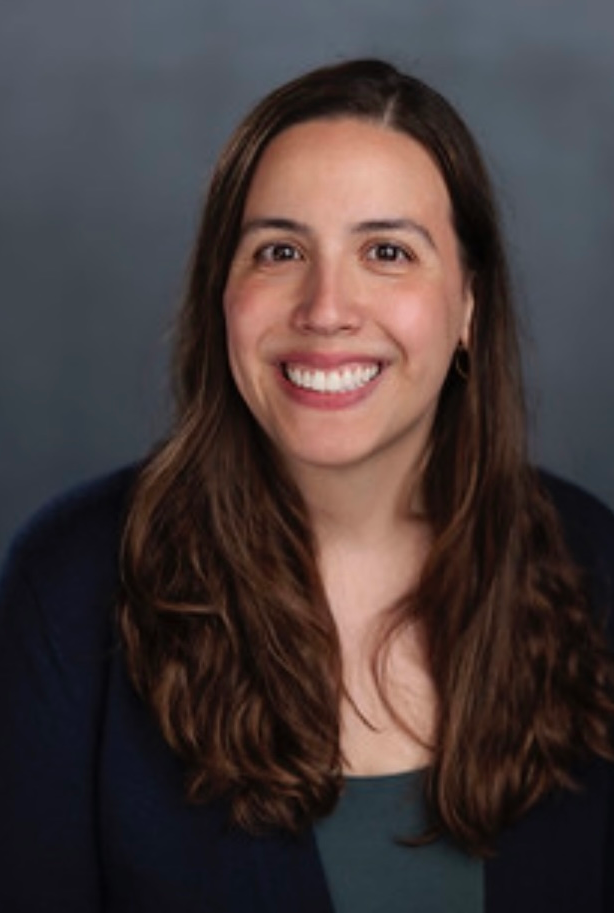
Alba Ureña, the school counselor at Grant Ave Elementary in New York City, did what she has trained herself to do this year. She found the student. She sat with her. She pulled up the data and said, in the warm but unmistakably grounded voice every elementary counselor knows: "Every day you have some alarming thing. What is a doctor cutting off, girl? Like, what is it?"
The girl started laughing. She had gotten a small burn while cooking at home. The doctor had said her finger could get infected if it wasn't covered. "It's called a band-aid," Alba told her, smiling. "There is no cutting off."
It is a small moment. It is also one of the most important moments of Alba's year. Because what she discovered through this student, and through many others like her, is that Closegap was doing something Grant Ave's adults hadn't fully expected. It was teaching kids that the people around them were actually paying attention.
How students felt like school staff cared
Alba describes a recurring pattern in her pilot classes this year. Kids would log in to Closegap each morning. They would check-in to share how they’re feeling with their trusted adults at school. Sometimes they would mark something dramatic, or write something urgent, almost as a reflex. The platform was new. The icons were inviting. The act of expression felt low-stakes.
And then an adult would respond.
"There has been, like, oh, wait, somebody is reading this," Alba says, describing the realization that ripples through a classroom the first time a student gets a thoughtful follow-up to something they thought disappeared into the void.
For the girl with the bandaid, that realization came through Alba's gentle one-on-one. For another student, it came when Alba walked into the after-school program. For a third, it came when the principal stopped by their classroom to give them a high-five after seeing they had checked in feeling sad and needed a little boost.
The shift, once it happens, changes the whole tone of a school. Kids stop checking in to perform. They start checking in to communicate.
A pilot designed to spread
Alba did not roll Closegap out school-wide this year. She did not want to. Her instinct, honed across years of bringing Zones of Regulation and other SEL programs into Grant Ave, is to start small and let success do the recruiting.
So she built her pilot strategically. She started with self-contained special education classes and Integrated Co-Teaching classes, where teachers had the strongest buy-in for SEL work. She made sure each grade span had at least one representative classroom, so that any teacher considering the program next year would have a colleague nearby who could say, with full credibility: I did this, and here is what happened.
"I have found the most success by targeting, like, a small pilot for the first year, and then moving to mainstream," Alba says.
The strategy is already working. One teacher who was not in the original pilot, Mrs. Curro, kept emailing Alba asking to be added after hearing about the program from colleagues. Once her class was onboarded, the messages from her students started flooding in: I love Closegap. This is my first time doing this. I have 99 percent energy because of Closegap. "It's like they've been paid," Alba laughs, "but they haven't."
That kind of organic enthusiasm is the most powerful evidence a pilot can produce. It is also the foundation Alba is building on as she plans her school-wide rollout for next year.
The introverted kids find their voice
Closegap was designed to reach students who slip through the cracks. At Grant Ave, Alba is watching that promise unfold in real time.
She thinks of one student in particular. Her brothers are well known to staff for behavioral concerns, but she has never been on anyone's radar. She is quiet. Composed. The kind of student who looks like she has it all together.
Through Closegap, a different picture has emerged. "I see a lot of her personality, like, blooming," Alba says. "There is spice into her, you know? It's nice. She's communicating in a different way, which is the purpose of the program."
This is what Closegap looks like when it is working: students who don't feel comfortable raising their hand are writing it down. Students who don't have the vocabulary to name their feelings are choosing between expressive options. Students who would never approach an adult unprompted are signaling that they want to be seen.
And the adults at Grant Ave are seeing them.
A school where everyone checks in
What makes Alba's implementation distinctive is not just the pilot design. It is the web of adults around each student.
Her principal reads check-ins every morning and goes upstairs to give kids high-fives or hugs based on what she sees. Her assistant principal flags students whose check-ins are showing patterns and alerts Alba to follow up. Teachers handle classroom-level conversations and assign students to Alba when something needs a deeper conversation. Alba herself catches kids in after-school care if she has not had a chance during the day.
Kids notice. Fourth graders ask if they can talk to their second grade teacher, who is still in the building. Students request specific adults by name. Alba thinks her students may not have consciously registered what is happening, but the result is undeniable: they feel supported, and they feel like there are many doors open to them.
Getting started was easy when check-ins are essential
When Alba thinks about why she invested in Closegap after finding the team at the ASCA conference, her answer is direct.
"I think it's an essential tool," she says. "Sometimes you have to invest in something that is going to have an impact later on. Kids are not going to tell you, but they will write it out. They will select the thing, and then you'll know. These are things we don't necessarily always feel comfortable or safe to say out loud, but we might feel comfortable to say to these characters."
That is what Closegap is, in Alba's hands. Not just a check-in. Not just an educator dashboard. A daily practice that students at Grant Ave Elementary trust enough to tell the truth to, because they have learned that a supportive adult is always listening.